Whoever wants to study artisanal Italian beer, through its tradition, starting from its origins, cannot avoid to refer to the German tradition, from which it originates.
Around the 20s and 30s of the 19th century , in Valchiavenna, an offshoot of Lombardy located near the Swiss border, together with manufacturers that have marked the birth of the local industry, the first breweries are born, mainly thanks to the good water and air, but also thanks to the Crotti, some sort of excellent refrigerators perfect for the maturing of the beer. In 1844 there were four breweries in Chiavenna, and they produced about 390 hectolitres of beer; a few years later, they increased to nine and they produced 20 percent of national beer.
Today the tradition is rooted in this area and a few steps from the “Spluga” some artisanal high quality breweries are producing beer in the strip of land on which the beer arrived.
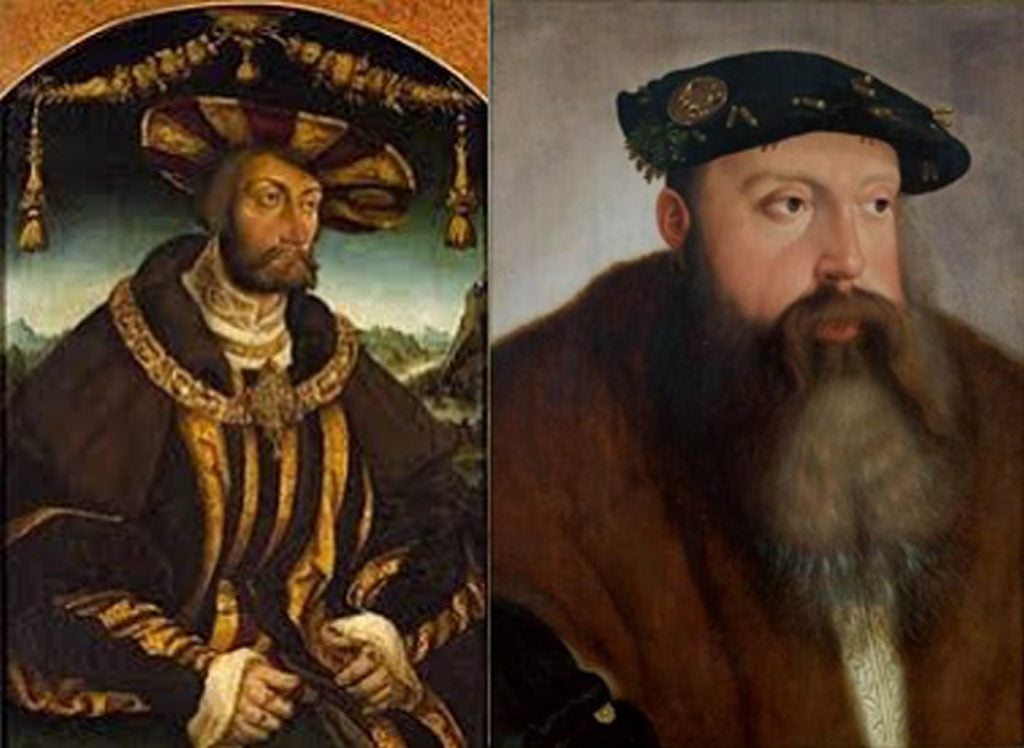
Let’s start our journey from William IV
William IV of Bavaria is described by historians as a calm and enlightened ruler, perhaps a little fascinated by the idea of being loved by his subjects and for this reason slightly wavering in some measures.
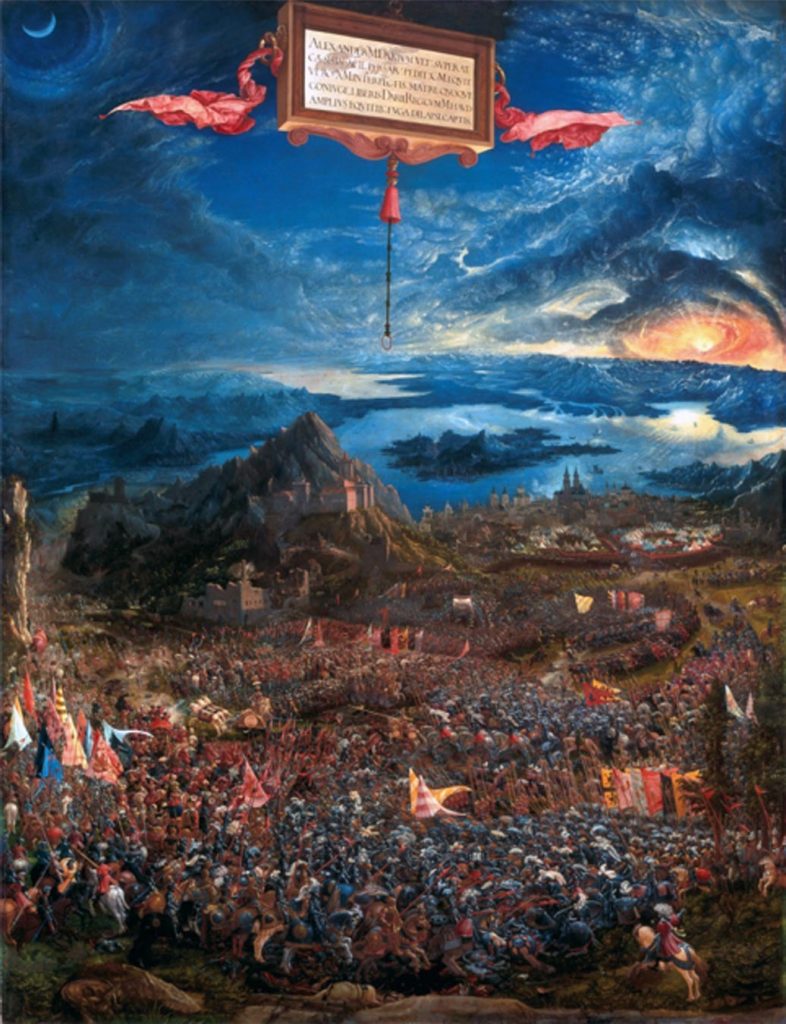
He ruled for many years (more than 30) with his brother Louis X and he was a great collector and lover of every art: among his many commissions you can find the very renowned wonderful Battle of Issus by Albrecht Altdorfer (today exposed at the Alte Pinakothek of Munich), considered by many to be one of the most fascinating landscapes in the entire history of art.
He was buried in the crypt of the Church of Our Lady, the Cathedral of Munich.
We wonder if the famous “Teufelstritt”, also known as the devil’s footprint, is dedicated to him. Legend says that the Devil had stepped in the church to make fun of it because of the lack of windows. In fact, if you look towards the altar, the columns of the naves hide every window. The devil stepped forward, saw the windows and in anger slammed his foot so hard that it left a footprint.
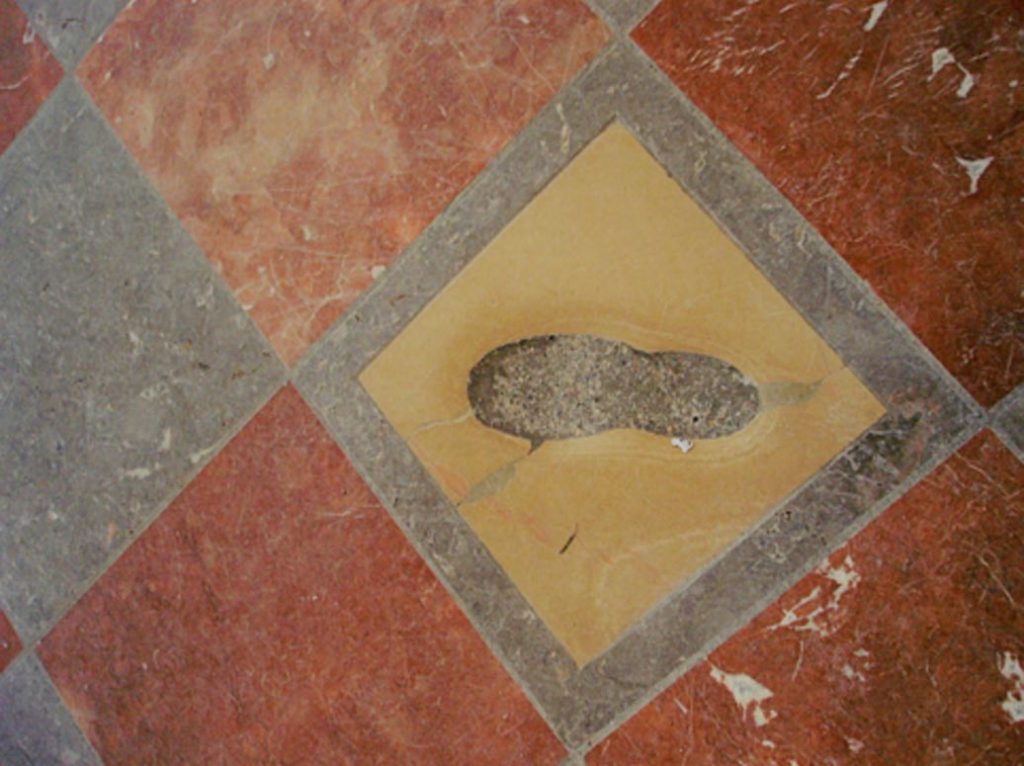
But perhaps that footprint is a sign of some other Mephistophelean wrath…
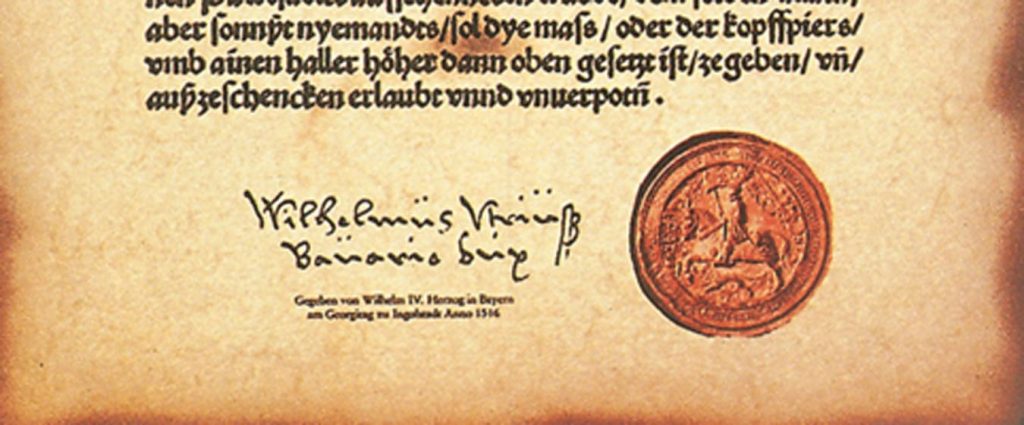
Possibly because of the longevity of a document that has rightfully transformed William IV into the ruler “of pure beer”!
Let’s take a step back.
In 1516 the wheat harvest was tragic and William IV of Bavaria had to issue a decree (that had to be temporary) to prevent, just that year, the use of wheat. Perhaps also for commercial reasons, in order to prevent competition over the price of wheat and rye between brewers and bakers, he called for cereals other than barley to be used in food and bread making instead of in brewery production.
Reinheitsgebot, what was also called the Edict of Purity, was promulgated in the city of Ingolstadt (the city that now hosts the AUDI headquarters), on 23 April 1516 and is quoted in its first lines:
“How beer is to be brewed and served in summer and winter in the region:
By this ordinance, we decree and proclaim, according to the authority of our province, that from now on in the Duchy of Bavaria, […] Furthermore, we especially desire that from now on and everywhere, nothing shall be used or added to produce beer other than barley, hops and water”.
No spices, no sugar, no dried fruit. At that time yeast had not yet been discovered and when it occurred (more than three centuries later) it was also canonized.
The law of purity prevailed in Germany for more than 500 years, until 1992. The year of economic and commercial unification, with which Europe forced Germany to comply with EU regulations, which imposed the importation of all types of beer.
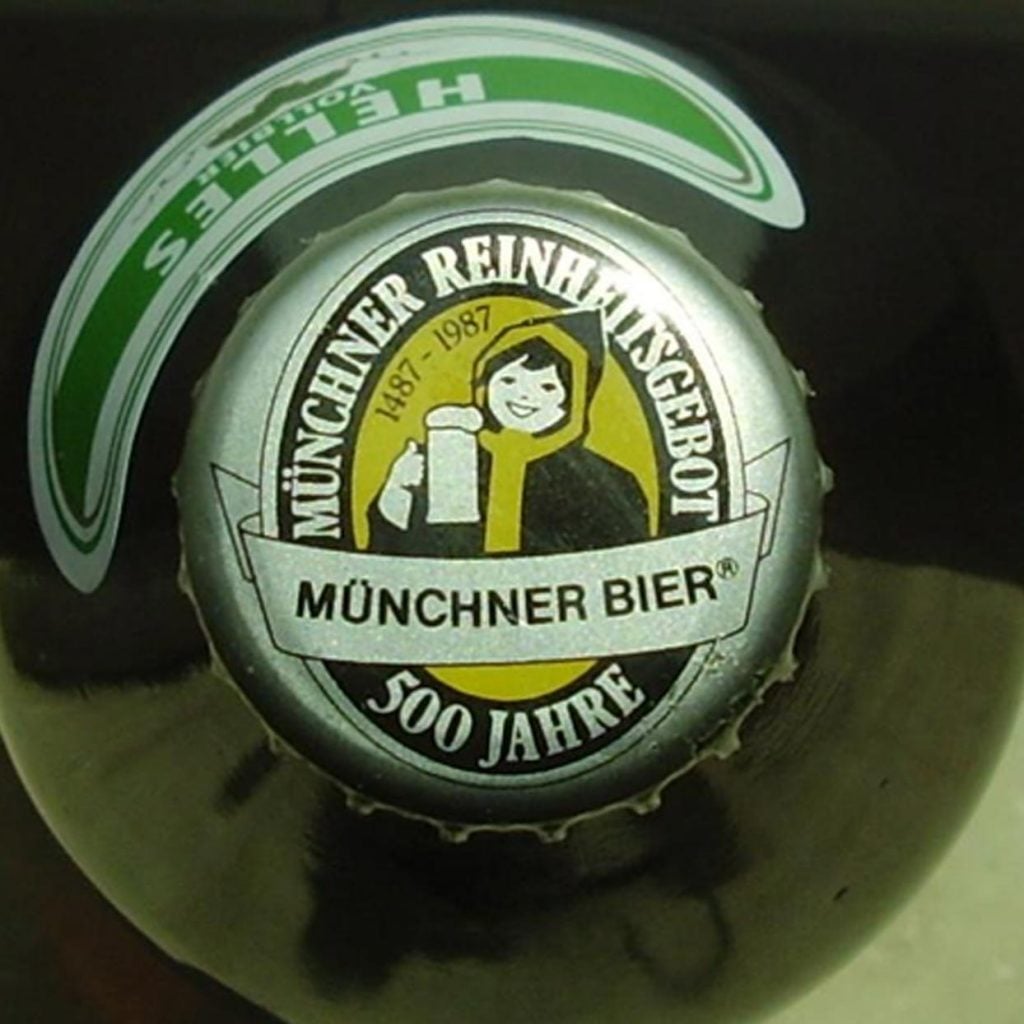
Thanks to the severity with which this decree was enforced, Germans managed to prevail in the world of brewery as an example to follow and emulate.
To this day, German beers are still considered pure, not “contaminated” by other ingredients, in strong contrast to the two other great schools of thought (Great Britain and especially Belgium). A limitation to the creativity of master brewers or instead an exaltation of production techniques based on the same ingredients?
There is no doubt that Italy is also pushing in the opposite direction from the Reinheitsgebot, with a peculiar predisposition on the part of the brewers towards a more “contaminated” recipe.
We will periodically give voice to the tales of artisanal Italian beer: a world that we will try to explore, starting from its history and venturing into its techniques and trends.
Will the drinkers have the last say?!

About Us

Alta Birra Italiana wants to be a portal of diffusion of the Italian beer culture, alternating contents about the history of the beer in Italy with actuality and evolution of the Italian beer movement.